If you manufacture metal components at scale, you’ve probably asked yourself this question: should you invest in a simple stamping dies vs progressive dies the smarter choice for your production line? The answer directly affects your tooling cost, production speed, and long-term profitability.
At Surya Engravers, Nashik, we manufacture both stamping dies and progressive dies for clients across Maharashtra and India. In this guide, we break down exactly how these two tooling options differ, so you can choose the right one for your production volume and part complexity.
What Are Stamping Dies?
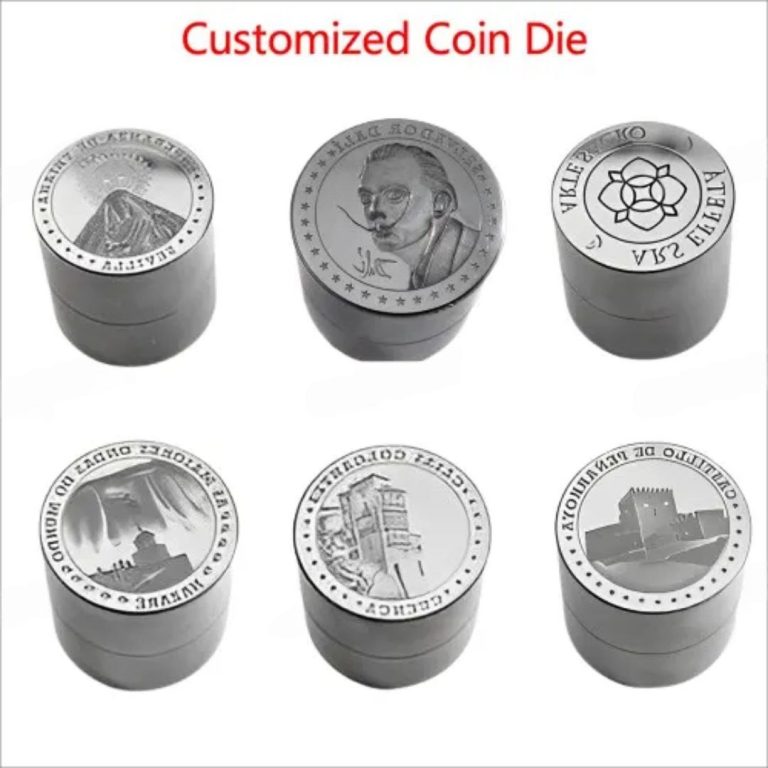
A stamping die is a single-station tool used to perform one operation — such as blanking, punching, bending, or forming — on a metal sheet or strip in a single press stroke. Simple stamping dies are ideal when a part requires only one or two operations to complete.
Best suited for:
- Low to medium production volumes
- Simple part geometries
- Prototype runs or short production cycles
- Lower upfront tooling investment
At Surya Engravers, our stamping dies are precision-built using hardened tool steel and tungsten carbide, ensuring clean edges, tight tolerances, and long service life even under repeated industrial use.
What Are Progressive Dies?
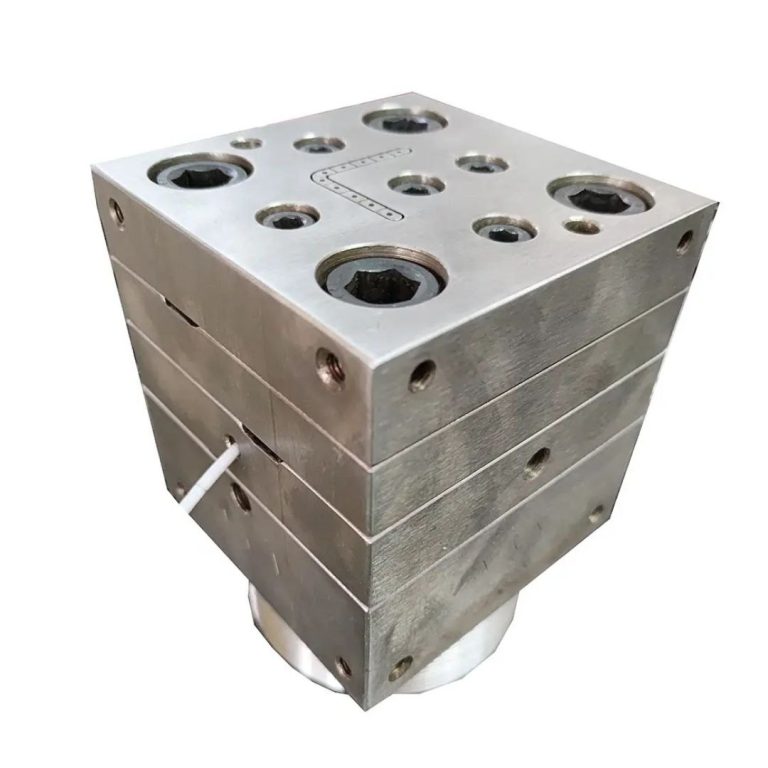
A progressive die is a multi-station tool. A continuous metal strip is fed through several stations within a single die set, and each station performs a different operation — cutting, piercing, bending, or forming — until a finished part is separated at the final station.
Best suited for:
- High-volume production (typically 50,000+ pieces annually)
- Complex parts requiring multiple operations
- Automotive, electronics, and appliance components
- Operations where speed and repeatability matter most
Because the part is completed in one continuous press cycle, progressive dies dramatically reduce labor, handling time, and per-piece cost — even though the initial tooling investment is higher.
Stamping Dies vs Progressive Dies: Key Differences
| Factor | Stamping Dies | Progressive Dies |
| Operations per cycle | Single operation | Multiple operations |
| Best for volume | Low to medium | High volume |
| Tooling cost | Lower upfront cost | Higher upfront cost |
| Per-piece cost | Higher at scale | Lower at scale |
| Part complexity | Simple to moderate | Complex, multi-feature parts |
| Production speed | Slower for large runs | Faster for large runs |
| Ideal industries | Job work, prototyping | Automotive, electronics, appliances |
Which One Should You Choose?
Choose stamping dies if:
- Your production volume is under 50,000 units per year
- Your part needs only one or two operations
- You need a faster, lower-cost tooling solution to get started
- You’re running prototype or pilot batches before scaling up
Choose progressive dies if:
- You’re manufacturing at high volume, continuously
- Your part requires multiple forming, cutting, or bending steps
- You want to reduce labor cost and handling errors over time
- Consistency and tight tolerances across millions of cycles are critical
In many cases, manufacturers start with stamping dies for prototyping and move to progressive dies once production volume justifies the higher tooling investment. This staged approach reduces risk while scaling production.
Why Choose Surya Engravers for Your Tooling Needs
As a trusted stamping dies and progressive dies manufacturer in Nashik, Surya Engravers combines over 10 years of CNC engraving and die-manufacturing expertise to help clients across Nashik, Pune, Mumbai, and pan-India choose and build the right tooling solution.
- Precision CNC engraving for tight tolerances
- Tungsten carbide and hardened tool steel construction
- Custom die design based on part geometry, material, and production volume
- Rigorous quality inspection before delivery
Whether you need a single stamping die for a prototype run or a full progressive die set for high-volume production, our team can guide you through the right choice for your budget and output goals.
Frequently Asked Questions
1. Is a progressive die more expensive than a stamping die?
Yes, the upfront tooling cost is higher because a progressive die involves multiple stations. However, the per-piece production cost is significantly lower at high volumes, making it more economical long-term.
2. Can a stamping die be upgraded to a progressive die later?
Not directly — a progressive die is a different tool design built from the start for multi-station operation. However, many manufacturers begin with stamping dies for prototyping and commission a new progressive die once volumes justify it.
3. What materials are used for stamping and progressive dies?
Both are typically made from hardened tool steel or tungsten carbide, depending on the application, expected production volume, and required wear resistance.
4. How do I know which die type is right for my part?
It depends on three factors: production volume, part complexity, and budget. Our engineering team at Surya Engravers can review your part drawings and recommend the most cost-effective tooling solution.
Ready to discuss your tooling requirements?
Contact Surya Engravers for a free consultation on stamping dies, progressive dies, and custom CNC engraving solutions in Nashik, Maharashtra.